Ask people what gets in the way
Invite input on distractions, access, comfort and the settings people cannot currently find. A workplace brief should allow different experiences to be heard.
Offer sensible choices
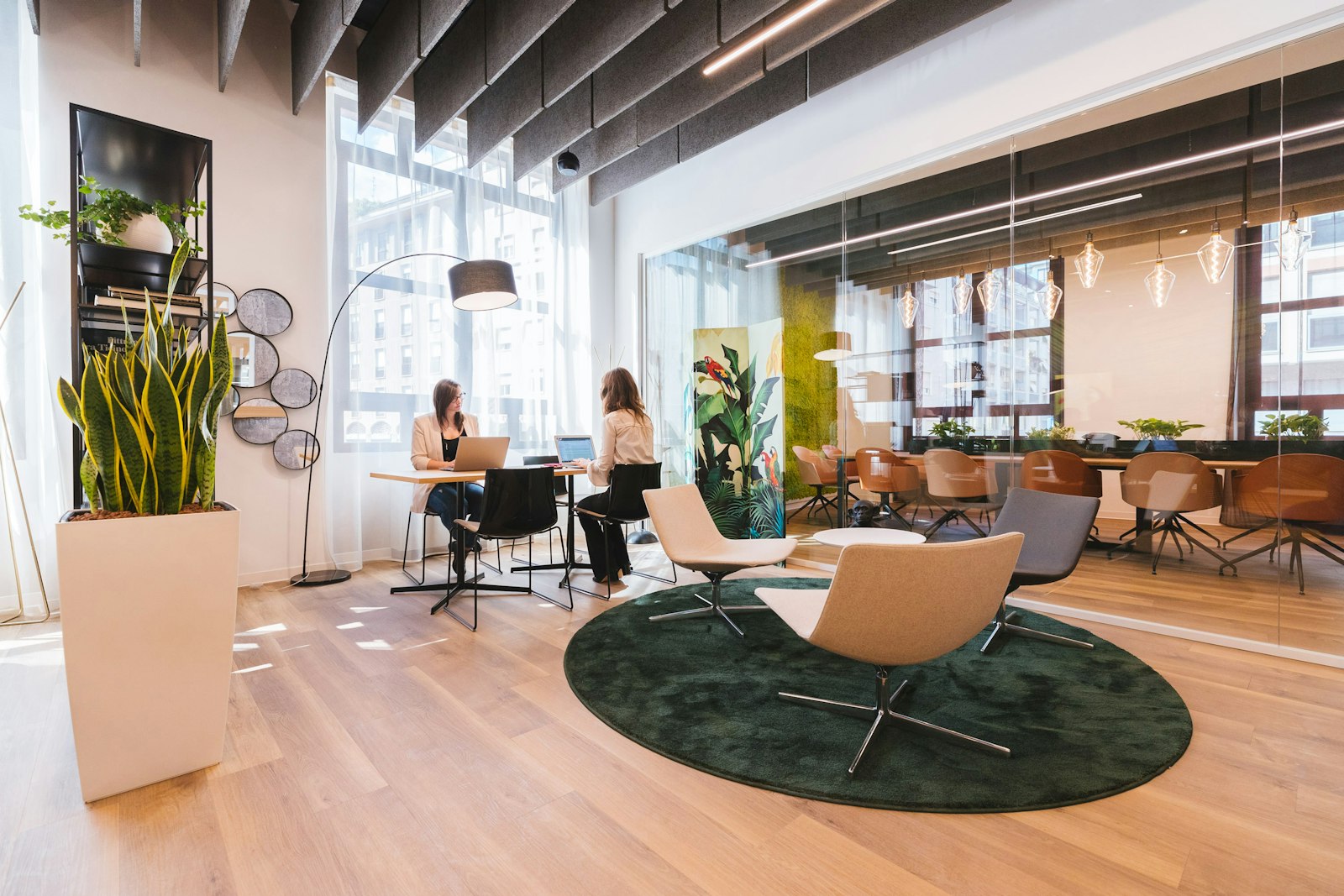
A combination of quiet settings, collaborative areas and comfortable shared space can support different tasks. Discuss lighting, sound and furniture with users and relevant specialists.
Keep design in perspective
A physical space can support everyday comfort, but it cannot replace healthy management practices or professional support. Avoid treating a finish, colour or layout as a guaranteed wellbeing outcome.
Map activity before assigning desks
Write down the tasks people perform, how often teams overlap and when visitors arrive. A desk count alone will not reveal the need for private calls, project tables or storage.
Take this into your brief.
- Include different users in the brief.
- Review accessibility throughout the journey.
- Treat user feedback as a design input, not a promise of a measured outcome.
Write down one priority, one constraint and one question you still need to answer. Review them beside the plan or material sample before agreeing the next design decision.