Decide where the timber character belongs
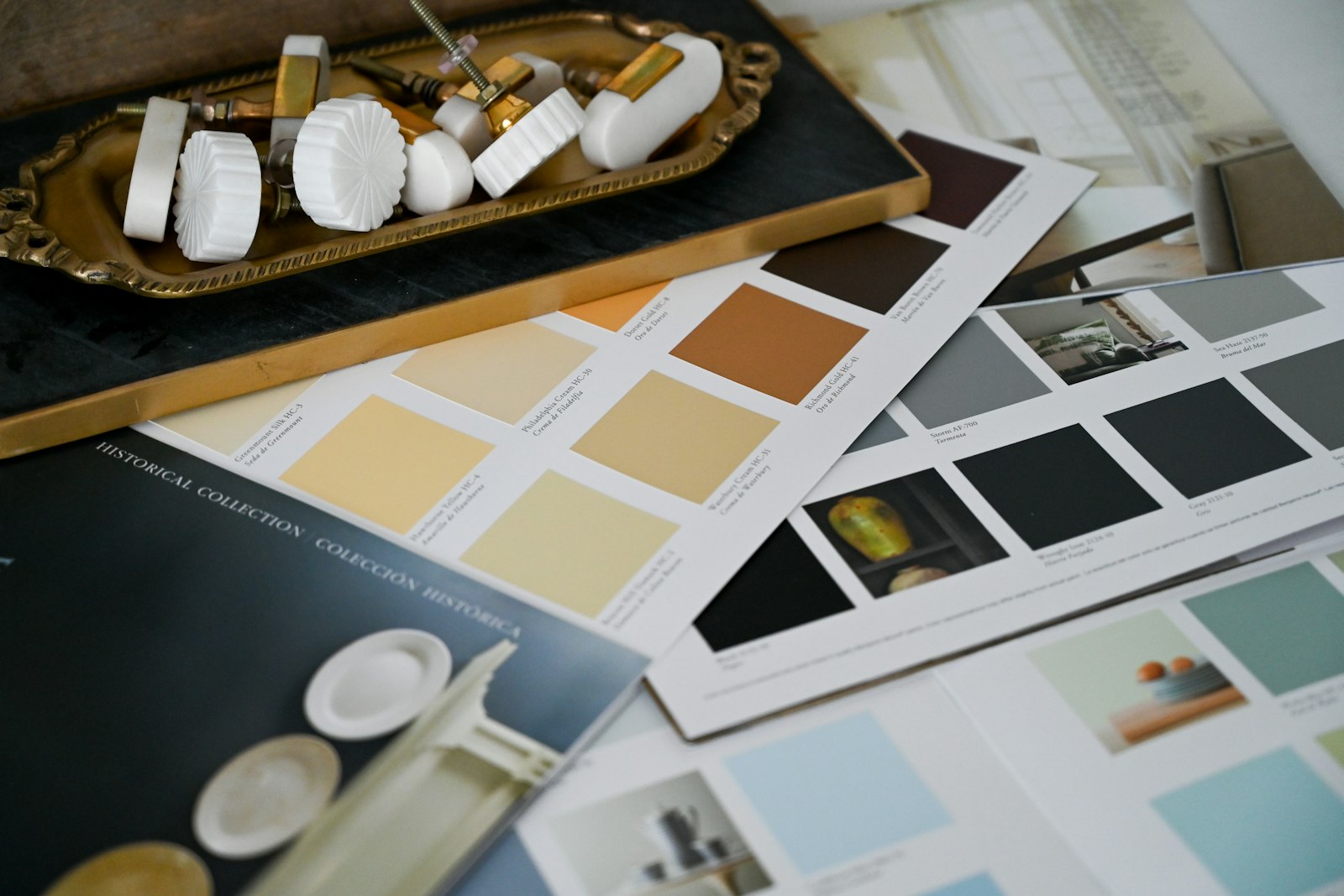
Timber and timber-look finishes can appear very different across a large wall, a worktop and a small furniture detail. Compare samples at the intended scale and discuss cleaning, wear and replacement. Decide whether the finish is a background material or a deliberate point of emphasis.
Give each surface a job
A wall can guide visitors, provide writable space, support acoustic treatment or carry a small moment of brand identity. Decide what it needs to do before adding decorative layers.
Check the everyday contact points
Review cleanability, edges, joints and likely wear around desks and circulation routes. Compare physical samples in the actual light rather than relying only on a small screen image.
Resolve what sits behind it
Sockets, access panels, doors and equipment can interrupt a seemingly simple elevation. Coordinate these details early so the finish does not create an obstacle to maintenance.
Map activity before assigning desks
Write down the tasks people perform, how often teams overlap and when visitors arrive. A desk count alone will not reveal the need for private calls, project tables or storage.
Take this into your brief.
- Name the functional purpose of each proposed finish.
- Compare samples beside adjacent materials.
- Record cleaning and replacement requirements.
Write down one priority, one constraint and one question you still need to answer. Review them beside the plan or material sample before agreeing the next design decision.